
Launching Luxury Drinks Brands into Hospitality
Launching a premium drinks brand into hospitality can look glamorous from the outside. Behind every successful luxury launch is a commercial strategy covering positioning, distribution, visibility and the realities of
selling into venues.
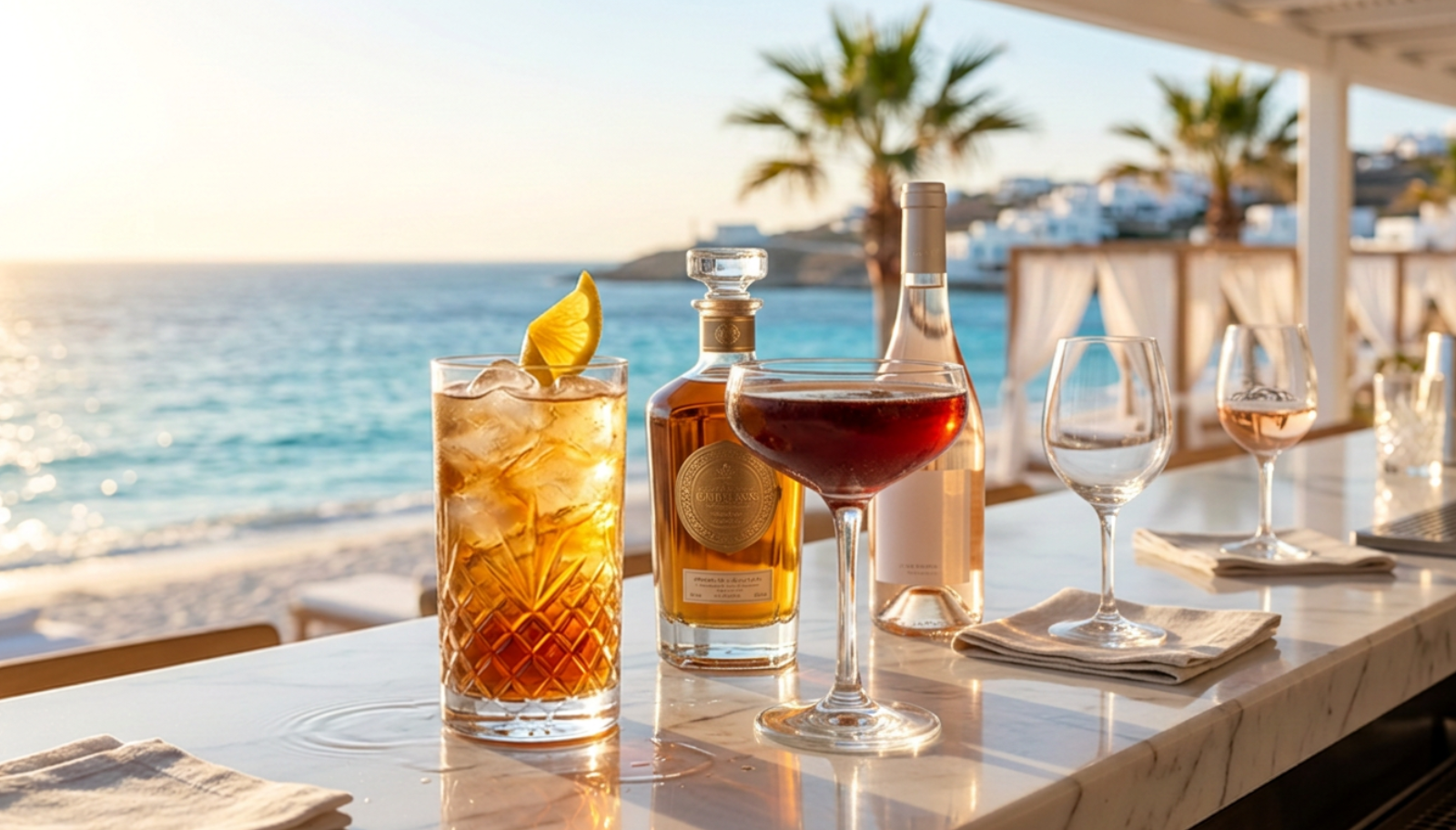
The reality is that bars, restaurants, hotels, and premium hospitality venues are constantly approached by new brands. Standing out takes more than simply having a good product. It requires clarity, consistency and a genuine understanding of how the on-premise sector operates.
Here are some key considerations every luxury drinks brand should consider before entering hospitality.
1. Your brand story matters more than ever
In luxury hospitality, people do not just buy products; they buy stories.
Why was the brand created?
What makes it different?
What gives it authenticity?
Why should a venue choose your bottle over an established competitor?
The strongest luxury brands usually have one thing in common: a clear founder story and a sense of identity that people can connect with emotionally.
Whether it is heritage, craftsmanship, sustainability, provenance or innovation, your story needs to be easy for hospitality buyers and bartenders to understand — and even easier for them to retell to customers.
If the story is complicated, forgettable or generic, it becomes much harder to justify premium pricing.
2. Hospitality buyers think commercially first
One of the biggest mistakes new luxury brands make is focusing entirely on aesthetics without considering the commercial realities of hospitality.
A venue owner is asking:
Will this sell?
What margin can I make?
Does it fit my audience?
Is it easy for staff to recommend?
Will the supplier support us?
Can I rely on stock availability?
You may have a stunning bottle design, but if the pricing structure is unrealistic or the product is difficult to explain to customers, adoption becomes challenging.
Luxury hospitality is still a business.
3. Your packaging needs to work behind the bar
Premium packaging is important - but practical considerations matter too.
Bars operate in fast-paced environments. Hospitality teams need bottles that:
pour efficiently
photograph well
fit comfortably on back bars
survive busy service
feel premium in-hand
The best luxury packaging combines visual impact with functionality.
This is particularly important in today’s social-media-driven hospitality market, where drinks, bottle serves and cocktail presentation regularly become part of the venue’s marketing content.
4. Social media is now part of the sales process
Hospitality buyers increasingly discover brands online before speaking to distributors or sales teams.
If your Instagram looks inconsistent, inactive or unclear, it immediately impacts perception.
Luxury brands need:
strong visual consistency
high-quality photography and video
founder-led storytelling
aspirational lifestyle positioning
clear hospitality relevance
Importantly, hospitality-focused content should differ slightly from consumer-facing content. Venues want to understand how your product fits into serves, menus, experiences and guest spend.
LinkedIn is also becoming increasingly important for hospitality and distribution networking, particularly for premium and emerging brands looking to connect with buyers, distributors and industry decision-makers.
A Luxury Brand has to Work Commercially as Well as Creatively.
5. Distribution strategy is critical
Many new brands focus heavily on launch activity but underestimate the importance of route-to-market planning.
Questions to consider include:
Are you targeting independent bars or national groups?
Will you work with specialist distributors?
Which markets matter first?
Are you focusing on visibility or volume?
What level of support can you realistically provide?
Trying to be everywhere too quickly often weakens premium positioning.
In luxury hospitality, exclusivity and careful placement can sometimes be more valuable than rapid expansion.
6. Trade visibility builds credibility
One of the fastest ways to gain industry recognition is through targeted trade visibility.
This includes:
drinks trade media
industry events
bartender engagement
trade tastings
awards
educational content
category reports
photography
messaging
pricing
venue partnerships
tone of voice
thought leadership
The hospitality industry pays attention to brands that appear consistently within respected trade environments.
Visibility creates familiarity, and familiarity builds trust.
7. Premium positioning requires consistency
Luxury branding is not created through one launch party or one viral Instagram post.
It is built through consistency across:
packaging
customer experience
trade communications
The strongest premium brands understand that perception is built slowly over time.
Every touchpoint contributes to whether the market sees your brand as genuinely premium - or simply expensive.
The brand has to work beyond the bottle
Launching a luxury drinks brand into hospitality is about much more than getting bottles onto shelves. It means building a brand venues can sell, customers understand and the trade can trust.
In a competitive hospitality landscape, the brands that win are rarely the loudest; they are the ones that understand the market best.
Planning a hospitality or drinks launch?
Coast Media can help with positioning, content, social media, email and the communications around your launch.